
Abrasive Wheels Awareness: Essential Safety Training for UK Construction Workers
09. 04. 2026.Understand the essentials of abrasive wheels safety, including hazards, legal duties and safe working practices. Discover how online training can improve compliance and reduce risk on site.
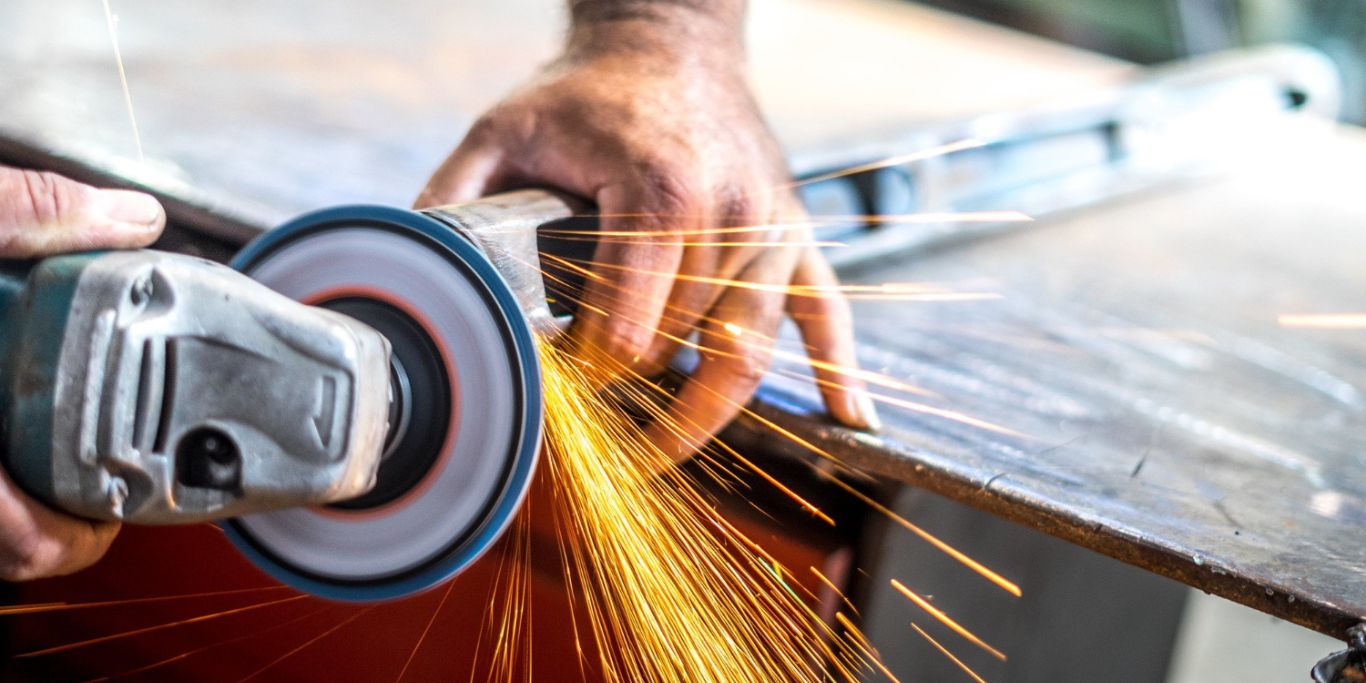
Abrasive wheels are used every day across construction, maintenance, engineering, fabrication and site work. From angle grinders and bench grinders to cut-off saws, these tools are extremely effective when used correctly — but they can also cause serious injuries when operated without the right knowledge, checks and precautions.
If you are an employer, supervisor, contractor or operative, understanding abrasive wheels safety is essential. Proper training helps reduce the risk of wheel breakage, flying debris, sparks, dust exposure, contact injuries and unsafe mounting practices. For anyone looking to improve workplace safety and compliance, the best place to start is to Buy Abrasive Wheels Awareness eLearning course.
What Are Abrasive Wheels?
An abrasive wheel is a wheel or disc made from abrasive particles bonded together, designed for cutting, grinding, smoothing or finishing materials. These wheels are commonly used to work on metal, stone, concrete and other hard surfaces.
Typical equipment that may use abrasive wheels includes:
- Angle grinders
- Bench grinders
- Cut-off saws
- Petrol cut-off machines
- Chop saws
- Fixed grinding machines
Because these tools operate at high speed, even a small mistake can lead to major consequences. That is why many workers choose to Buy Abrasive Wheels Awareness eLearning course to build a stronger understanding of safe use before problems happen.
Why Abrasive Wheels Awareness Matters
Abrasive wheels can be dangerous if they are incorrectly selected, poorly mounted, damaged, used without guards, or operated by someone who has not been properly trained. On busy sites, mistakes often happen when workers rush, use the wrong wheel for the task, or fail to inspect equipment before use.
Abrasion and cutting tasks may look routine, but the risks are significant. Awareness training helps workers understand not just how to use abrasive wheels, but how to use them safely, legally and responsibly.
This makes training an important part of any site safety culture. If you want a simple online way to improve knowledge, you can Buy Abrasive Wheels Awareness eLearning course and complete it at your own pace.
Main Hazards Associated With Abrasive Wheels
Anyone searching for abrasive wheels safety training should understand the key risks involved. Some of the most common hazards include:
- Wheel breakage: A damaged or unsuitable wheel can shatter at speed.
- Flying fragments: Pieces of material, sparks or fragments of wheel can strike the operator or others nearby.
- Dust inhalation: Cutting and grinding can create harmful airborne dust.
- Contact injuries: Hands, fingers and other body parts can come into direct contact with the wheel.
- Fire risk: Sparks can ignite flammable materials in the work area.
- Noise and vibration exposure: Prolonged use can contribute to hearing damage and hand-arm vibration issues.
- Incorrect mounting: Poor fitting or overtightening may weaken the wheel and increase failure risk.
Understanding these hazards is one of the key reasons why workers and businesses choose to Buy Abrasive Wheels Awareness eLearning course.
Who Should Take Abrasive Wheels Awareness Training?
Abrasive wheels awareness training is suitable for a wide range of people across the construction and industrial sectors, including:
- General construction operatives
- Labourers using grinders or saws
- Fabricators and steel workers
- Maintenance staff
- Workshop personnel
- Supervisors responsible for safe systems of work
- Employers looking to improve workforce safety awareness
It is especially useful for those who use abrasive wheel equipment regularly, those working near others using such tools, and anyone responsible for ensuring safe site operations.
Legal Responsibilities for Abrasive Wheels Safety
In the UK, abrasive wheels safety sits within the wider framework of workplace health and safety law. Employers have a duty to provide safe equipment, suitable information, instruction and training, and systems of work that reduce risk. Employees also have a responsibility to use equipment properly, follow procedures, wear PPE, and report defects or unsafe conditions.
Safe use of work equipment is particularly important under PUWER, and abrasive wheels are a clear example of equipment that requires suitable control measures, proper use and competent handling.
For companies that want a simple, accessible way to support compliance and safer working practices, it makes sense to Buy Abrasive Wheels Awareness eLearning course for staff members who work with or around these tools.
Choosing the Right Abrasive Wheel
One of the most important basics in abrasive wheels safety is choosing the correct wheel for the task. Using the wrong wheel can increase the risk of breakage, poor performance and injury.
Before use, operators should check:
- The wheel type is suitable for the material being worked on
- The wheel size matches the machine
- The bore size is correct
- The maximum speed rating is compatible with the equipment
- The wheel is in good condition and has been stored properly
- The manufacturer’s instructions are followed
Abrasive wheels awareness training helps learners understand why wheel selection matters and how poor choices can lead to unnecessary danger.
Safe Mounting and Pre-Use Inspection
Before an abrasive wheel is fitted or used, it should be checked carefully. A pre-use inspection can help identify visible damage, wear, cracks, contamination or signs that the wheel has been mishandled.
Important safety basics include:
- Inspecting the wheel before mounting
- Checking flanges, locking nuts and fittings
- Confirming the speed rating is appropriate
- Ensuring guards are fitted and adjusted correctly
- Making sure the spindle and wheel are compatible
- Never using a wheel that has been dropped or damaged
Only trained and authorised personnel should mount or change abrasive wheels. This is a critical point that employers should never overlook. A quick and practical way to reinforce this message is to Buy Abrasive Wheels Awareness eLearning course for your team.
The Importance of Guards and Machine Controls
Machine guards play a vital role in abrasive wheels safety. Guards are designed to help contain fragments if a wheel fails and reduce exposure to the rotating wheel. Removing, bypassing or poorly adjusting a guard can significantly increase risk.
Operators should also understand the machine controls they are using, including start and stop functions, emergency shut-off arrangements, and safe handling procedures during operation.
Basic good practice includes:
- Never removing a guard unless specifically required and authorised
- Checking guards are secure before use
- Using the machine only for its intended purpose
- Maintaining a stable stance and secure grip
- Keeping other workers away from the immediate danger zone
Personal Protective Equipment for Abrasive Wheels
PPE does not remove the hazard, but it provides an additional layer of protection when abrasive wheel equipment is in use. The correct PPE will depend on the task and environment, but may include:
- Eye protection
- Face protection
- Hearing protection
- Respiratory protection where dust is present
- Suitable gloves where appropriate
- Protective clothing and safety footwear
Workers should always use PPE that is suitable for the task and worn correctly alongside other control measures.
Good Housekeeping and Safe Working Environment
Safe abrasive wheels use is not just about the tool itself. The work environment also matters. Poor housekeeping can increase slip, trip and fire risks, while cluttered areas may expose other workers to sparks, fragments and dust.
Good housekeeping includes:
- Keeping the work area clean and organised
- Removing combustible materials where possible
- Managing trailing cables and hoses
- Using barriers or exclusion zones if needed
- Ensuring good ventilation when dust or fumes may be generated
These practical basics are exactly why awareness training remains so valuable on modern construction sites.
Common Abrasive Wheels Safety Mistakes
Many incidents happen because of avoidable errors. Common mistakes include:
- Using the wrong wheel for the job
- Failing to inspect the wheel before use
- Using damaged or worn equipment
- Ignoring speed limits
- Removing or misusing guards
- Not wearing suitable PPE
- Allowing untrained workers to change or fit wheels
- Using abrasive wheel tools in unsafe surroundings
By learning to recognise these mistakes early, workers can reduce risk and avoid serious incidents. To improve site knowledge quickly, many employers now Buy Abrasive Wheels Awareness eLearning course as part of their health and safety training programme.
Emergency Actions and Reporting
Even with safe systems in place, incidents can still happen. Workers should know what to do if a wheel breaks, a person is injured, or a fire starts.
Basic emergency actions may include:
- Stopping the equipment safely
- Isolating the machine if necessary
- Warning others in the area
- Reporting the incident immediately
- Accessing first aid support
- Following site emergency procedures
- Recording defects, near misses and incidents properly
Clear reporting and record-keeping help improve future safety and demonstrate that issues are being managed responsibly.
Benefits of Online Abrasive Wheels Awareness Training
Online learning offers a practical and flexible way for workers to improve their health and safety knowledge without disrupting the working day. It is especially useful for busy employers who need a simple training solution for multiple staff members.
Benefits of eLearning include:
- Flexible self-paced learning
- Access from mobile or desktop devices
- Fast completion
- Immediate proof of training on completion
- A cost-effective way to improve workforce awareness
If you want accessible training that fits around work schedules, you can Buy Abrasive Wheels Awareness eLearning course online today.
Why Choose Construction Certification’s Abrasive Wheels Awareness eLearning Course?
Construction Certification’s Abrasive Wheels Awareness eLearning course is designed to give operatives a clear understanding of how abrasive wheels are used on UK sites and why incorrect handling can lead to serious harm. It covers common wheel types, typical site applications, key hazards, legal responsibilities, safe working practices and emergency awareness.
The course also includes practical guidance on:
- Choosing the right wheel
- Correct mounting
- Pre-use inspection
- Guards and controls
- Speed ratings
- Housekeeping
- Appropriate PPE
- Common mistakes to avoid
With 24/7 access, mobile and PC compatibility, unlimited free resits, and an instant digital certificate, it offers a straightforward way to support safer working practices. For workers and employers alike, now is a good time to Buy Abrasive Wheels Awareness eLearning course.
Final Thoughts
Abrasive wheels are powerful tools, but they must be treated with care, knowledge and respect. Whether the task involves cutting, grinding or finishing, the basics of abrasive wheels safety should never be ignored. Choosing the right wheel, checking equipment, using guards, wearing PPE and ensuring only trained people handle wheel changes are all essential steps in reducing risk.
If you want to improve safety awareness, support compliance and give workers a better understanding of the hazards and controls involved, the next step is clear: Buy Abrasive Wheels Awareness eLearning course.
Frequently Asked Questions About Abrasive Wheels Awareness
What is abrasive wheels awareness training?
Abrasive wheels awareness training is designed to teach workers the hazards, safe practices, responsibilities and controls involved in using abrasive wheel equipment safely.
Who needs abrasive wheels awareness training?
Anyone using abrasive wheel equipment, supervising its use, or managing safety on sites where abrasive wheels are present can benefit from this type of training.
Why are abrasive wheels dangerous?
Abrasive wheels can be dangerous because they operate at high speed and may cause wheel failure, flying fragments, dust exposure, fire risks and serious contact injuries if not used correctly.
Can I take abrasive wheels training online?
Yes. Online learning is a flexible and convenient way to improve safety knowledge. You can Buy Abrasive Wheels Awareness eLearning course online and complete it at your own pace.
How long does the Abrasive Wheels Awareness course take?
The Construction Certification Abrasive Wheels Awareness eLearning course takes approximately 30 minutes to complete.
Is there a certificate after completing the course?
Yes, the course includes an instant digital certificate on successful completion.